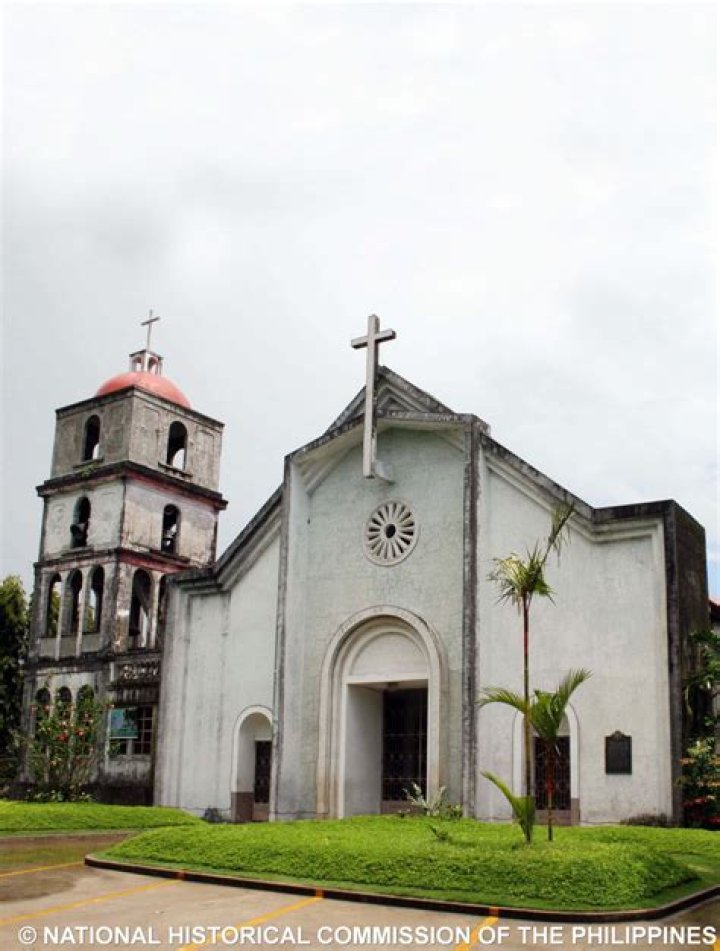
Tanauan, Leyte
A farm laborer near San Jose City stands in a rice farm with his wife and youngest child. Strong typhoons are the bane of farmers in the country. (Photo: Tony Oquias)
Hundreds of Typhoon Yolanda survivors in Tanauan live in Gawad Kalinga villages like this one in Tacloban City. Most of them are from fishing villages along the shore of Tanauan that the government declared no-build zones. (Photo: Tony Oquias)
View of San Pablo Bay from the Anibong District in Tacloban City. (Photo: Tony Oquias)
The no-build zone in Anibong District in Tacloban City is still home to hundreds of families, including those of these children relieving themselves straight in the sea. (Photo: Tony Oquias)
Survivors of Typhoon Yolanda tend to the community’s vegetable farm behind a Gawad Kalinga village. By gardening, they supplement their spouses’ income from fishing. (Photo: Tony Oquias)
A survivor of Typhoon Yolanda tends to the community’s vegetable farm behind a Gawad Kalinga village. The farm was established by the local government as part of its alternative livelihood program for the displaced families. (Photo: Tony Oquias)
Hundreds of children and their families who survived Typhoon Yolanda now live in Gawad Kalinga villages such as this one in Barangay Sacme, Tanauan. (Photo: Tony Oquias)
A farm laborer near San Jose City stands in a rice farm with his wife and youngest child. Strong typhoons are the bane of farmers in the country. (Photo: Tony Oquias)
The Yolanda Monument at Barangay Calogcog in Tanauan, where 200 people are buried. Mayor Pelagio Tecson Jr. calls it the “Surge of Hope” monument, as it symbolizes the strength and renewed hope of the people of Tanauan. (Photo: Tony Oquias)
Edgardo Alfonso, CEO of San Jose City’s iPower Corporation, holds the rice husk the plant burns to produce 12 megawatts of electricity and the husk ash that helps condition the soil of farms in Nueva Ecija. The process mitigates climate change by sequestering 35,000 tons of carbon from the air. (Photo: Tony Oquias)
Bonifacio, a fisher living near the mangrove rehabilitation area in Cabuynan, Leyte, actively replants and enjoins others in his community to get involved in the rehabilitation of the mangroves. (Photo: Tony Oquias)
Children play in Tacloban City. (Photo: Tony Oquias)
A Yolanda survivor lights a candle for a relative at the municipal plaza mass grave in Tanauan during the celebration of All Souls’ Day on Nov. 2. (Photo: Tony Oquias)
An old fisher fixes his hut in the mangrove rehabilitation area in Barangay Cabuynan. He helps in the rehabilitation effort by looking after the seedlings whenever he’s in the area. (Photo: Tony Oquias)
Stacks of sapsap (pony fish) on bamboo structures in the village of Barangay Bislig. The village is known in Tanauan and other places in Leyte as the dry fish capital of the province. (Photo: Tony Oquias)
A girl looks out to the river dividing the barangays of Bislig and Cabuynan in Tanauan. (Photo: Tony Oquias)
The people of Tanauan, with the assistance of NGOs, LGUs, and communities, make every effort to rehabilitate the mangrove forest in Barangay Cabuynan, which was destroyed by Typhoon Yolanda. Seen in this photo at right are newly planted mangrove trees. (Photo: Tony Oquias)
A boy wakes up to a cool, cloudy day and heads out to the sea in Bislig, Tanauan, Leyte. (Photo: Tony Oquias)
The children of a farm laborer pose outside their shanty in Nueva Ecija near San Jose City. The harvest their father was hoping to work on had been damaged by Typhoon Lando. (Photo: Tony Oquias)